Description of Practice
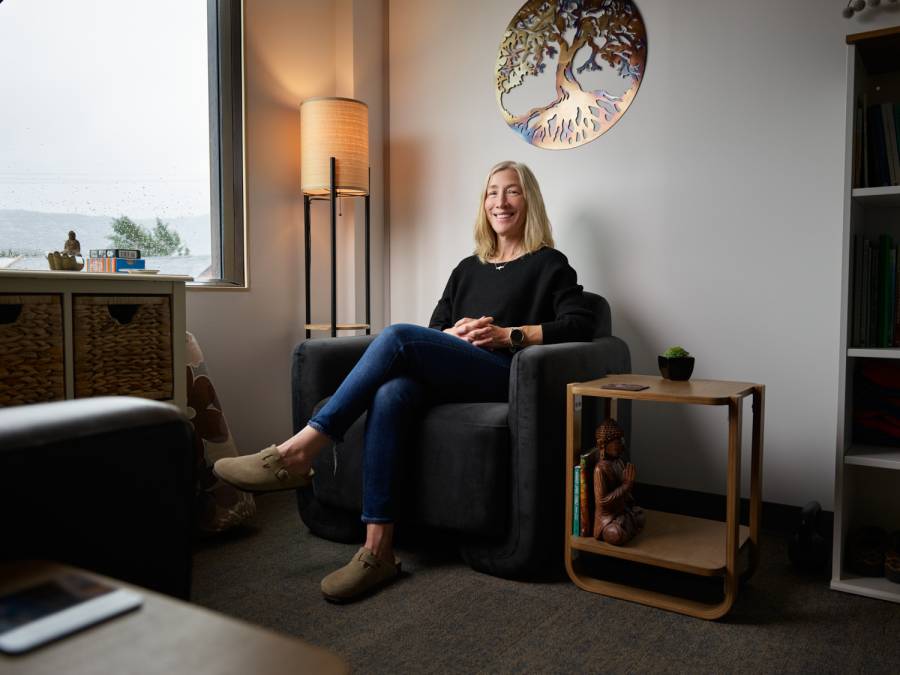
I offer individual counselling, In-person at my office at 301 Lambert Street in downtown Whitehorse, Yukon as well as Virtual sessions (online).
Sessions can be 60-mins, or 120- mins. in length
Like many therapists, I draw from a range of clinical methods. However, I most often draw from Internal Family Systems (IFS), Acceptance and Commitment Therapy (ACT) and Dialectical Behavioural Therapy (DBT) and Polyvagal Theory.
As a counsellor, I am passionate about working with first responders, RCMP, health-care workers, and other front-line employees. This passion is rooted in my professional experience, including three years in a primary health-care setting and two years in the justice system in Whitehorse. It is also shaped by my personal connection to this work— my father was a police officer who experienced post-traumatic stress.
I also work with neurodivergent people, and draw on both lived experience as a neurodivergent individual and specialized training in ADHD support, I offer neurodiversity-affirming counselling tailored to the unique needs of people with ADHD and other neurodivergent presentations.
My practice emphasizes strengths-based strategies, executive functioning support, emotional regulation, self-advocacy, and sustainable wellbeing.
Other examples of what we can work on together:
daily life stress
life transitions
workplace dynamics/stress
feelings of overwhelm, confusion, or feeling lost; feeling at a crossroads
communication effectiveness
trouble making decisions
executive function challenges/ADHD
anxiety
depression
substance use
grief and loss
coping with intense emotions
impacts of trauma - related to childhood experiences, relationships, or work, the medical system or other systems.
phobias
relationship dynamics/family dynamics
Specialized Training and Methods Used
Like many therapists, I draw from a range of clinical methods. However, I most often draw from Internal Family Systems (IFS), Acceptance and Commitment Therapy (ACT) and Dialectical Behavioural Therapy (DBT) and Polyvagal Theory, and use a lot of self-compassion techniques, mindfulness and attachment theory.